Welcome to Rentit4me


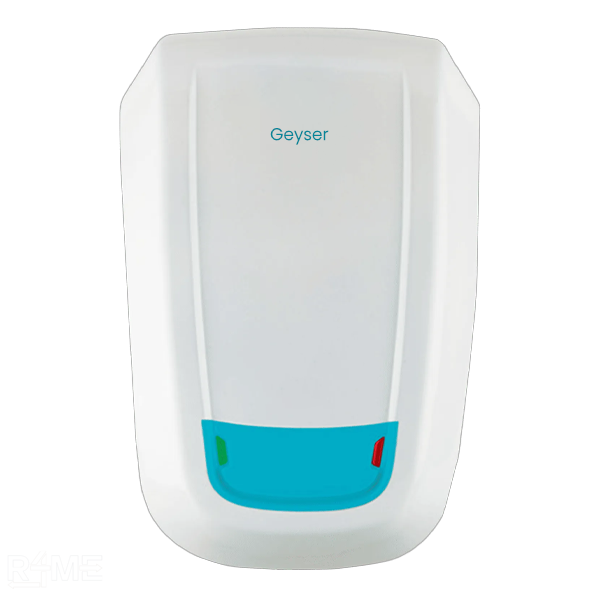
Instant Geyser 3L
₹499.00/ Month
In Delhi, the geyser question is really three questions: instant or storage, what size, and what will your landlord allow. Get those right and the brand matters much less.
Instant geysers, usually 1 to 3 litres, heat water as it flows. They are compact, heat in seconds and suit a kitchen sink or a quick wash. For a bath, they work if the flow is low, but they draw a lot of power, often up to 3 kW, which many old Delhi wiring systems struggle with.
Storage geysers, usually 6 to 25 litres, heat a tank and keep it hot. They draw less power at a time (1.5–2 kW), deliver a steady flow and suit a bathroom with a shower. For a family of three or four, a 15-litre unit is the practical size. For one person in a barsati, 6 to 10 litres is enough and takes less wall space.
January nights in Delhi average about 7.5°C, and a cold-wave week is far colder. Tap water in a Delhi winter is cold enough to be unpleasant at 6 am, and many rented flats, PGs and barsatis come with no geyser at all. A landlord who is not going to buy one rarely objects to a tenant bringing one, and a rental is cheaper than buying for a place you may leave in eleven months.
This is where most problems start. Storage geysers are heavy when full: a 15-litre unit weighs more than 20 kg once filled. The wall has to be solid brick or concrete, not a thin partition. Ask your landlord before drilling. Then look at the wiring. A geyser needs a dedicated, earthed 15-amp point with a proper MCB, not a loose two-pin socket shared with a hair dryer. If the bathroom has no suitable point, have an electrician fit one before installation. Many accidents with geysers come from old wiring and no earthing.
Delhi's water is often hard, and groundwater in many areas has high mineral content. If your taps leave white marks, scale will build up on the heating element and inside the tank. It slows heating, raises power use and shortens life. For a rental of several months, ask about a glass-lined tank and a servicing check. Do not ignore a tripping MCB or a clanking sound from the tank. Report it.
PG residents in Mukherjee Nagar, Laxmi Nagar, Kamla Nagar and Munirka often share bathrooms with one old geyser. Young professionals in Saket, Dwarka and Rohini renting unfurnished flats need one on arrival. Families between homes, post-surgery households that need steady hot water, and short-term relocations are all common cases.
Install the geyser at least 60 cm away from the shower head. Fix it with a proper bracket. Make sure the pressure-relief valve is clear. Never switch on an empty geyser.
A decent branded storage geyser costs several thousand rupees to buy, plus fitting. If you use it for four winter months, a rental can be cheaper, and you avoid the effort of selling it later.
For a bathroom with a bucket or shower, a storage geyser (6 to 25 litres) is usually the better and safer choice. Storage models draw lower continuous power (around 1.5–2 kW) and supply steady hot water. Instant geysers (1 to 3 litres) heat water in seconds and fit neatly near a kitchen sink or washbasin, but because they draw up to 3 kW at once, they can overload older Delhi apartment wiring during bath use.
Match the tank size to your household size and bathroom wall space:
A filled 15-litre storage geyser weighs over 20 kg, so it must be mounted on a solid brick or concrete wall, never a thin partition and you should get your landlord’s permission before drilling brackets. Electrically, confirm that your bathroom has a dedicated, properly earthed 15-amp power socket connected to an MCB rather than a loose plug shared with other appliances.
Many Delhi neighbourhoods rely on hard groundwater with high mineral content, which leaves white scale deposits on the heating element and inside the tank, slowing down heating and increasing electricity bills. For multi-month winter rentals, ask for a unit with a glass-lined tank and confirm it has been serviced before dispatch. If you ever hear clanking sounds from the tank or notice the MCB tripping, switch it off and report it immediately.
Ensure the technician mounts the unit on a sturdy bracket at least 60 cm away from the shower head so water does not splash onto electrical connections, and verify that the pressure-relief valve is unobstructed. Most importantly, always make sure the tank is completely filled with water before switching on the power supply turning on an empty geyser can burn out the heating element instantly.
Yes, if you only need hot water during the peak winter months (roughly November through February, when January nights average around 7.5°C) or if you live in a rented flat or PG on an 11-month lease. Buying and installing a quality storage geyser requires a larger upfront spend and resale hassle when you move, whereas renting covers seasonal comfort at a fraction of the cost.