Welcome to Rentit4me


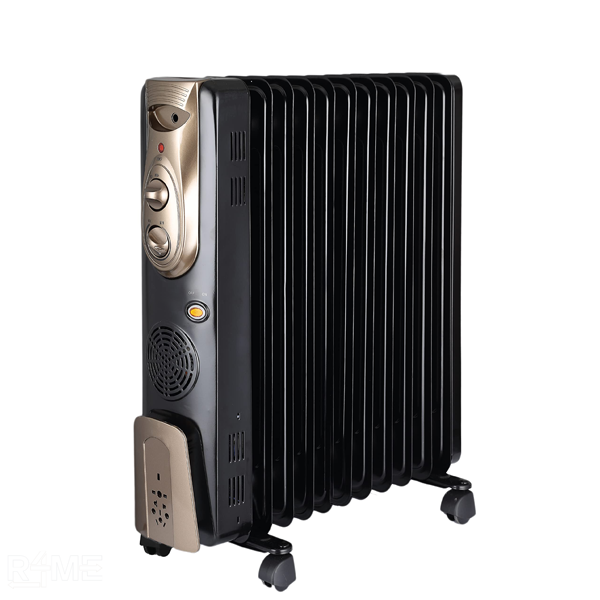
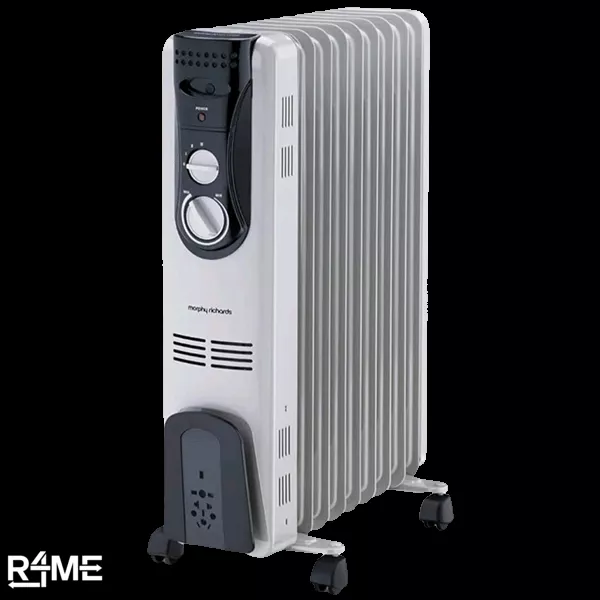
Room Oil Heater - 11 Fin
₹1,400.00/ Month
Delhi does not have a long winter. It has a short, sharp one. January is the coldest month, with an average night minimum of about 7.5°C, and December is not far behind at around 8.4°C. Every few years a cold wave pulls mornings down to 3–4°C, fog shuts down flights and trains, and the whole city rediscovers how badly its homes are built for cold. In total, you need serious heating for perhaps ten to twelve weeks a year. That is the reason renting a heater makes more sense than buying one that spends the other nine months in a loft.
A large part of Delhi lives in rented homes: barsatis in Lajpat Nagar and Hauz Khas, builder floors in Rohini and Dwarka, PGs around Mukherjee Nagar, Kamla Nagar and Laxmi Nagar. Leases here often run 11 months, so many tenants move before the next winter. A heater you bought in December becomes a box to carry, store or sell at a loss in October. A rental comes in November and goes back in February, and nothing else is needed from you.
There is also a practical reason. Heaters are cheap to make badly. The market is full of unbranded units with weak thermostats and no tip-over protection. Renting means you get a unit that has been checked, and if it fails during a cold wave, it is someone else's job to replace it.
Oil-filled radiator. The best choice for bedrooms. It warms slowly, holds heat after the thermostat cuts out, makes almost no noise and does not dry the air as hard as an exposed element. Ideal for a closed room where you sleep, and for homes with children or elders.
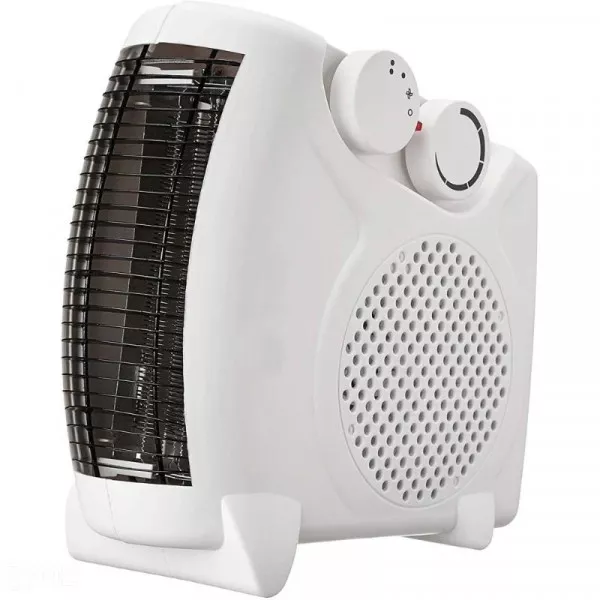
Fan heater. The quick fix. It throws warm air in under a minute, which suits a bathroom corner, a dressing area or a desk. It is louder and cools the moment you switch it off, so it is a poor choice for sleeping rooms.
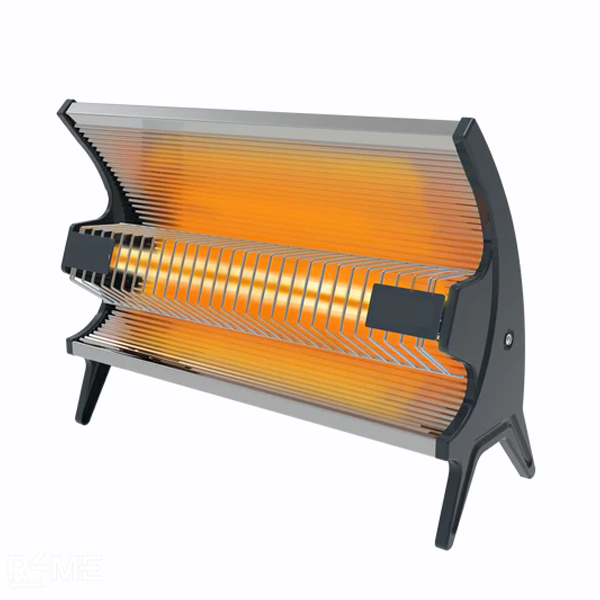
Quartz or halogen heater. Directional radiant heat. Good when you are sitting still in one spot, such as a study table or a work-from-home chair. Not useful for warming a whole room.
As a rough guide, a 12×12 ft room needs about 1,500–2,000 W. Anything much bigger than that is a drawing room, and one heater won't do it.
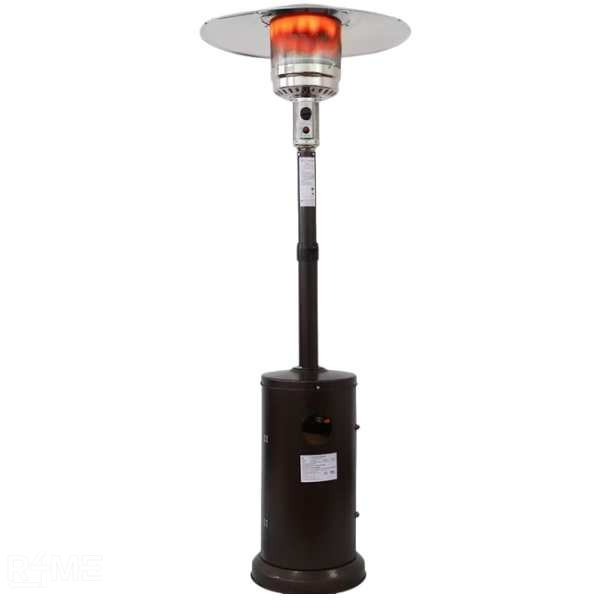
Smog is the Delhi-specific factor. From November to January, there are stretches of days when the air outside is poor and people keep windows closed. That makes heater choice about indoor air as well as warmth. Choose electric units only. Never use anything that burns coal, charcoal or gas in a closed room, which is a risk every winter in the city. If you also run an air purifier, keep the heater on the other side of the room.
Fog is the other. Delhi mornings can stay in single digits until late morning in a cold-wave week, so a thermostat model that switches on before you wake, or a plug-in timer, saves both comfort and electricity.
Two small checks save trouble. First, look at the socket. Old Delhi wiring and loose three-pin points get hot under a 2 kW load. If a plug feels warm to touch, move to a better socket. Second, do not run a heater, geyser and iron from one extension board. If you are in a PG, ask the owner before running a high-wattage unit overnight, because some buildings have a shared load limit.
Order in early November if you can. The first cold snap triggers a rush, and the more popular models run out quickly. If you are unsure about the tenure, start with a month and extend. That is cheaper than guessing three months wrong.
Most people take a heater from mid-December to the end of February. You can extend if a cold wave runs long, or return it early if a warm spell comes.
An oil-filled radiator. It keeps releasing heat after the thermostat cuts off, which helps in rooms that leak warmth through windows and walls.
Only a thermostat model with tip-over and overheat protection, placed on a hard floor away from bedding and curtains, and never in a room without ventilation.
Yes. Small offices and shops often rent a few units through winter. Mention the quantity when you enquire.
Report it to support straight away.