
 29-Apr-2026
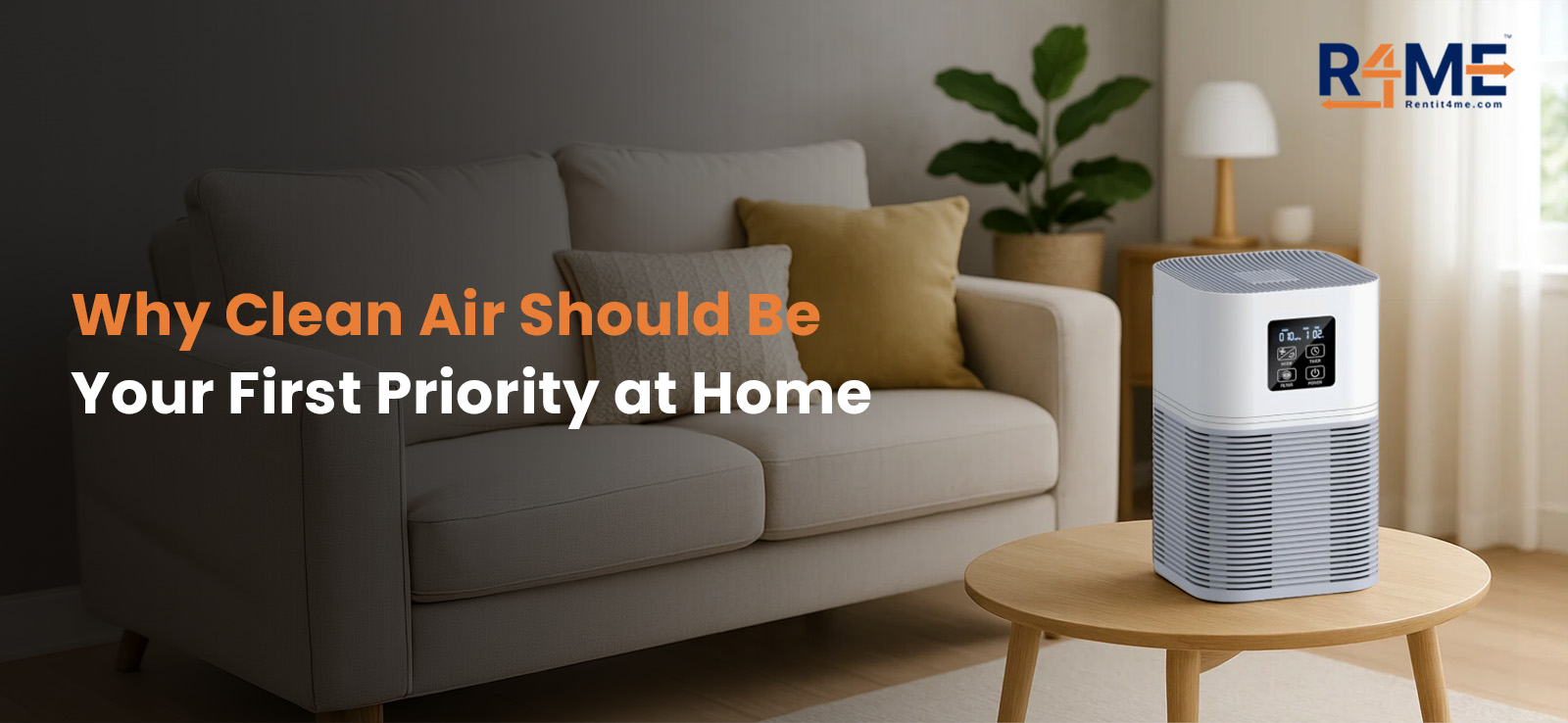
We spend a lot of time thinking about what we eat, what we drink and how much we sleep. But there is one thing most of us completely ignore — the air inside our own homes. It does not look dirty. It does not smell bad on most days. So we assume it is fine. The truth, however, is quite different.
Indoor air can be two to five times more polluted than the air outside. Dust mites, pet dander, mold spores, volatile organic compounds from paints and cleaning products, smoke particles and pollen all accumulate indoors. Unlike outdoor air, which has wind and open space to dilute pollutants, indoor air keeps cycling the same contaminated mix through your living space, day after day.
For most of us living in Indian cities, the problem is even more pressing. The air quality index in cities like Delhi, Mumbai and Lucknow regularly touches dangerous levels, particularly between October and February. When that outdoor pollution seeps in through windows, doors and ventilation gaps, it adds to the already existing indoor pollutants. The result is a home environment that can quietly trigger respiratory problems, disturb sleep, worsen allergies and over time, place a real burden on your cardiovascular health.
Children and elderly family members are the most vulnerable. A child's lungs are still developing and prolonged exposure to fine particulate matter — especially PM2.5, which is small enough to enter the bloodstream — can affect lung capacity permanently. For elderly individuals with pre-existing conditions like asthma or bronchitis, poor indoor air quality can mean frequent doctor visits and a noticeably reduced quality of life.
Even for healthy adults, the effects are subtle but real. Persistent headaches, unexplained fatigue, difficulty concentrating and a dry throat in the mornings are often dismissed as stress or seasonal changes. In many cases, they are direct responses to what you are breathing inside your home every single day.
Rohit Verma, a software professional living alone in a rented flat in Gurgaon, had been dealing with persistent dust allergies for over a year. He tried antihistamines, changed his bedsheets more frequently and even bought an expensive vacuum cleaner. Nothing made a lasting difference.
A colleague suggested trying an air purifier before spending more money on purchasing. Since he was already staying in a rented flat and was not sure how long he would stay, buying an expensive appliance did not make sense. He opted for air purifiers on rent through a local rental platform, starting with a medium-capacity unit for his bedroom.
"Within ten days, I noticed I was waking up without that heavy feeling in my chest," Rohit says. "I had just assumed Delhi air was the problem, but it was the air inside my own room. Renting first helped me confirm it was actually working before I committed to buying one."
He eventually rented a second unit for his living room. For someone in a temporary living situation, renting gives him the flexibility to protect his health without a large upfront investment.
Ventilation helps, but in heavily polluted cities, opening windows can sometimes introduce more problems than it solves. Regular vacuuming, avoiding synthetic air fresheners, reducing the use of harsh chemical cleaners and keeping indoor plants are all positive steps. But for removing fine dust particles, allergens and airborne bacteria effectively, an air purifier with a true HEPA filter remains the most reliable home solution available.
Modern air purifiers work by drawing air through multiple layers of filtration. A pre-filter catches larger particles, the HEPA layer traps fine particulate matter and an activated carbon filter absorbs odours and harmful gases. For a mid-sized bedroom or living room, a purifier can show a measurable improvement in air quality within hours of being switched on.
The hesitation most people have is the upfront cost. A good air purifier suitable for a medium-sized room can range from ₹8,000 to ₹30,000, which feels like a significant commitment when you are unsure whether it will make a real difference in your specific home. This is where renting becomes a genuinely practical option. You can try it for a month, observe the change in how your family feels and then decide whether a permanent purchase is worth it. Platforms like Rentit4me offer purifiers sized for different spaces — from small rooms of 200 to 300 square feet all the way up to larger units covering around 1,000 square feet — making it easy to choose the right fit without any guesswork.
If you are not ready to address the entire home at once, begin with the bedroom. You spend seven to eight hours there every night, breathing deeply while your body recovers. Cleaner air in that single room can improve sleep quality, reduce morning grogginess and lower the pollutant load on your lungs during the hours your body needs rest the most.
Clean air is not a luxury. It is as fundamental to your health as clean water. The difference is that we can see dirty water, but we cannot see dirty air — and that invisibility is exactly what makes it so easy to neglect. Your home should be the safest place for your family and that begins with what everyone inside it is breathing.
 Welcome to Rentit4me
